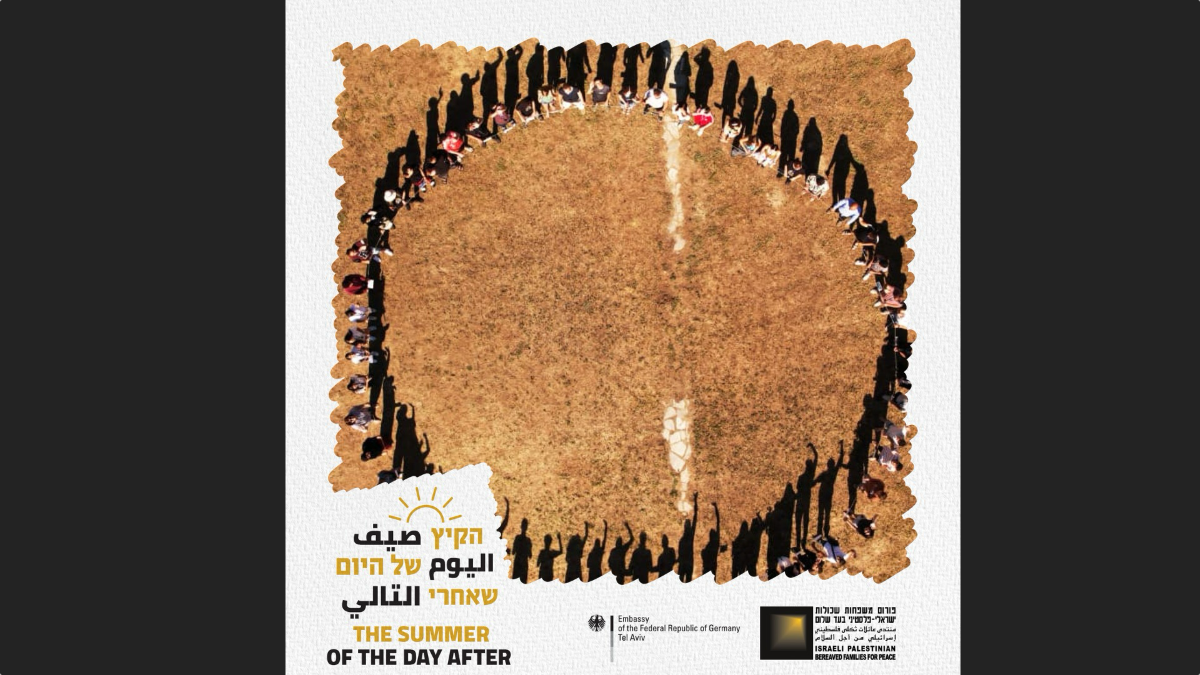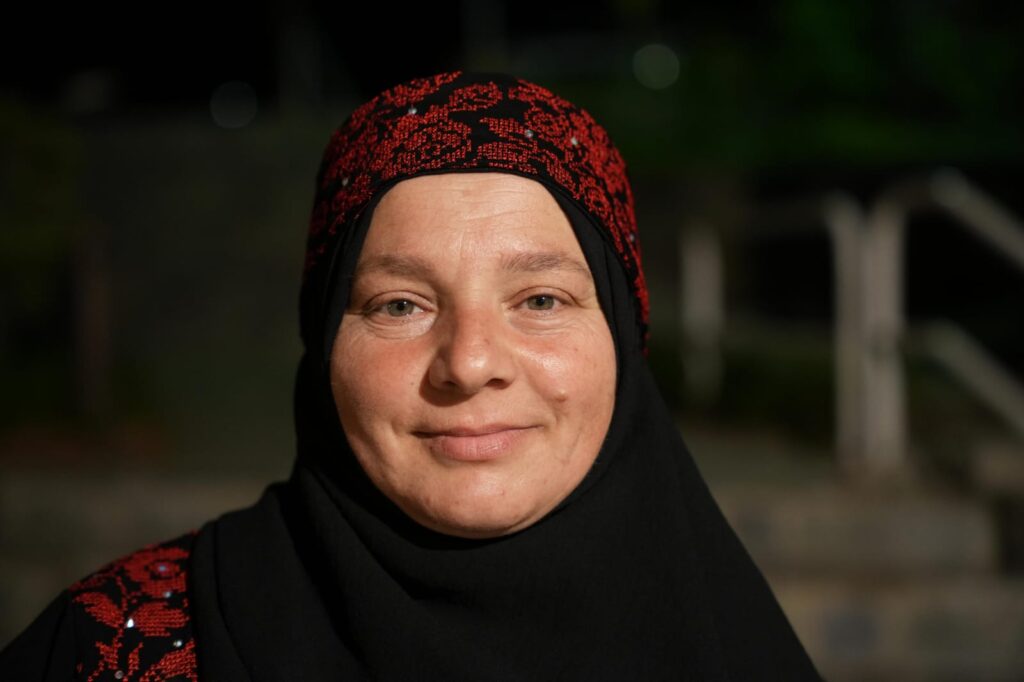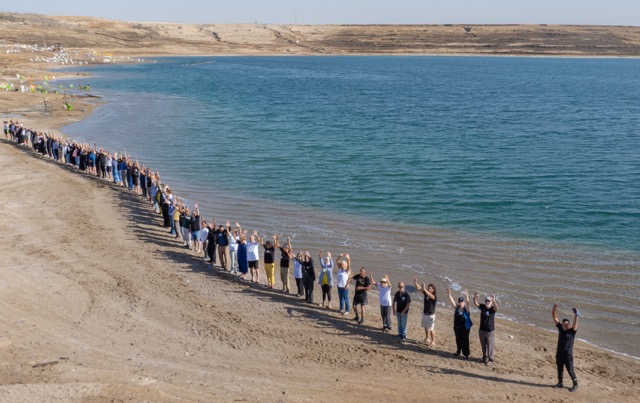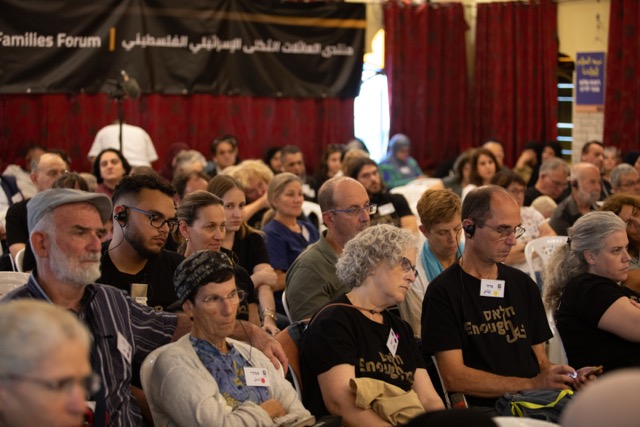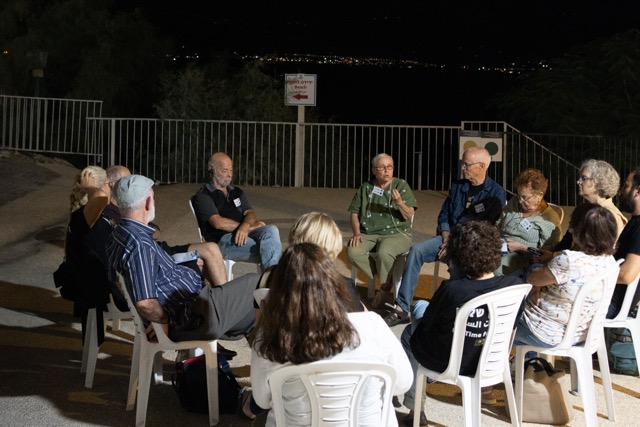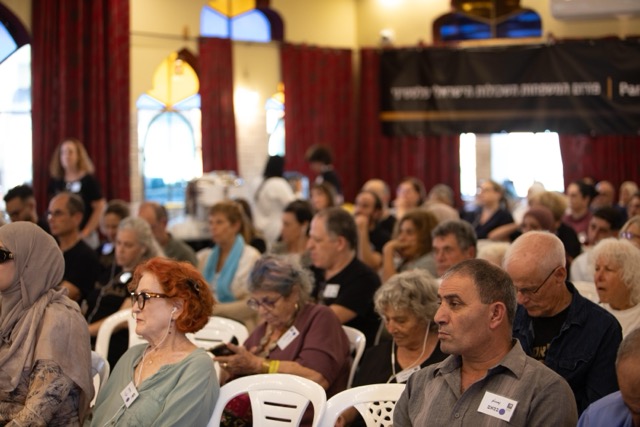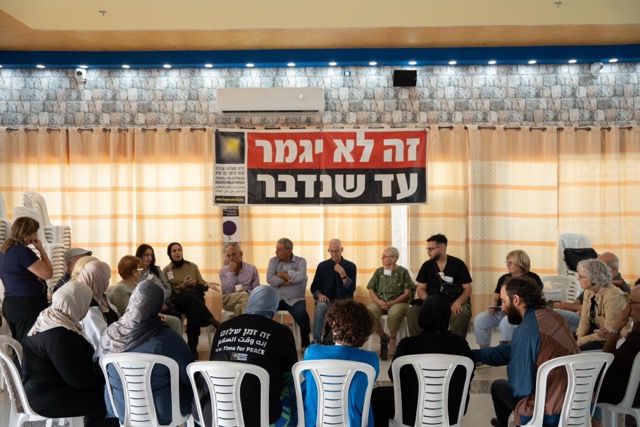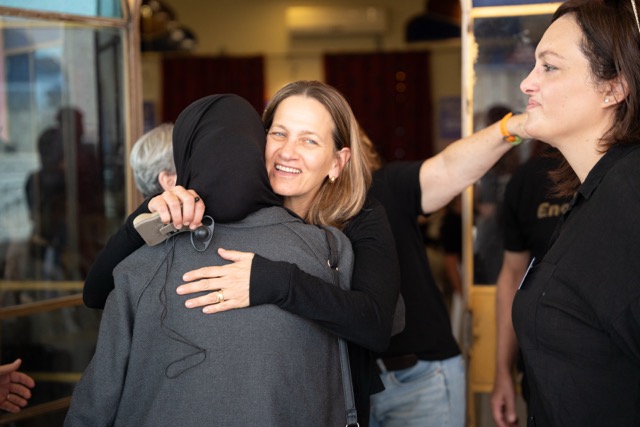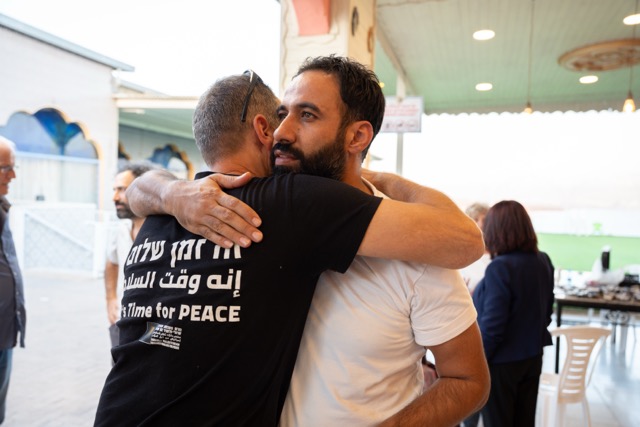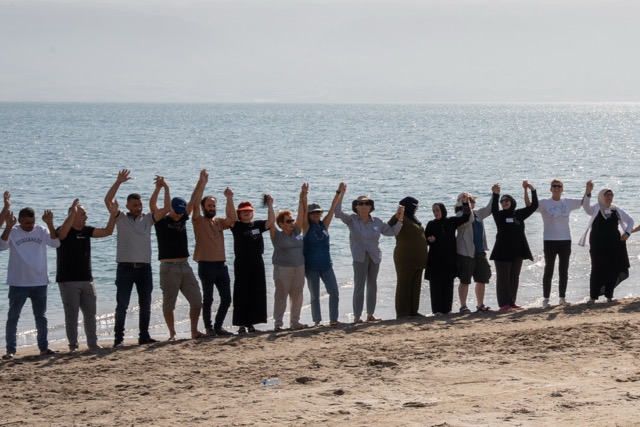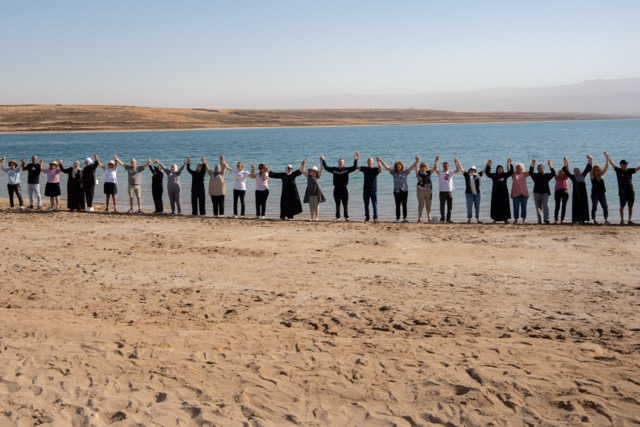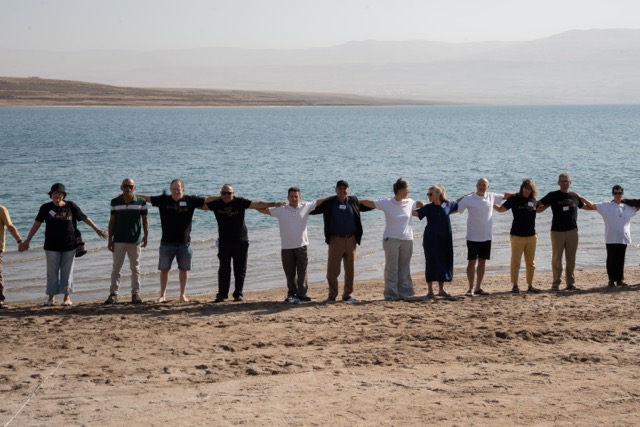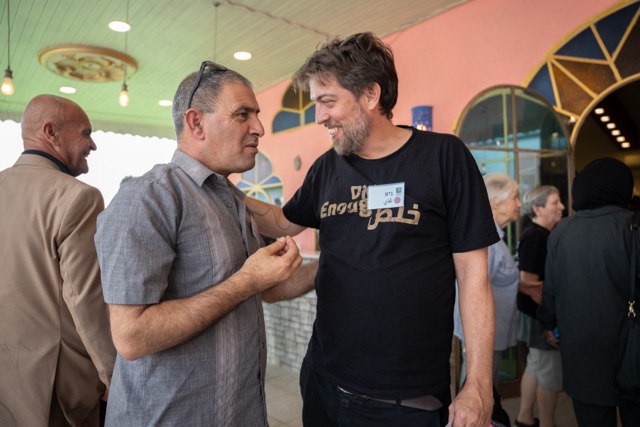
To be honest, before I flew to the camp near Thessaloniki, I didn’t really know what to expect. Nine days in Greece, in the mountains, at a summer camp with Israelis and Palestinians together. As soon as we arrived, something strange happened. Suddenly, all the stress and chaos back home just disappeared, and it felt as if we had landed in a bubble completely disconnected from the rest of the world.
I expected things to be tense, or for us to constantly feel like we were “walking on eggshells.” But in reality, everyday life was simply pleasant. We sat together for meals, laughed, and spent time together. At some point, you catch yourself and realize that you’re simply having a good time with people who come from the other side of the conflict.
When you’re disconnected for a week and a half from all the noise back home, something shifts in the way you see things. You realize that alongside the conflict and politics, there are simply human beings your age, with the same sense of humor and the same hopes and desires.
Coming back home puts you straight back into reality, and the bubble disappears pretty quickly. Those nine days in the mountains showed me that something different is possible, even if it starts with a small group of people in the middle of nowhere in Greece.
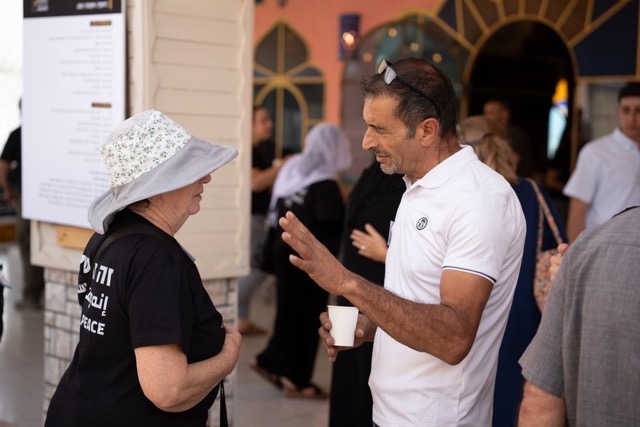
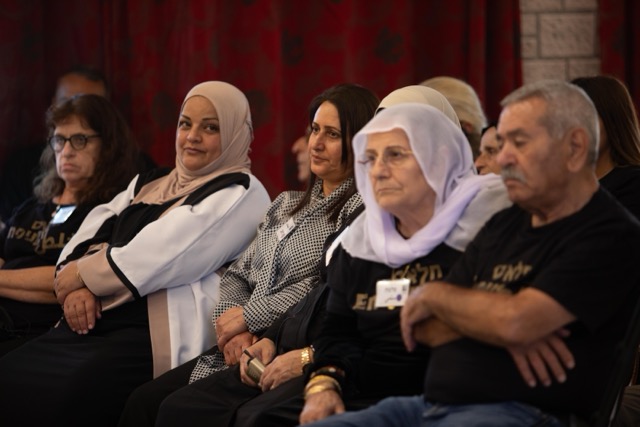
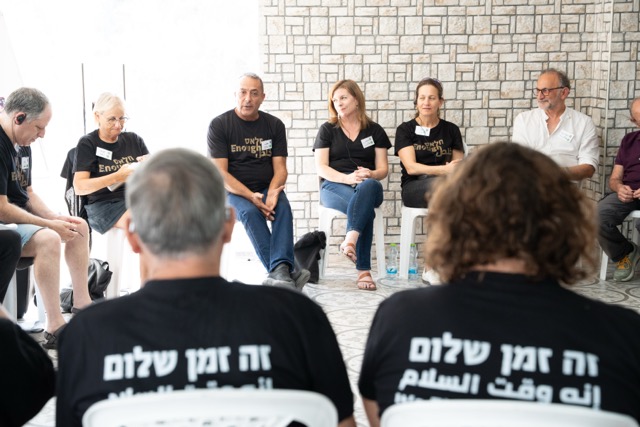
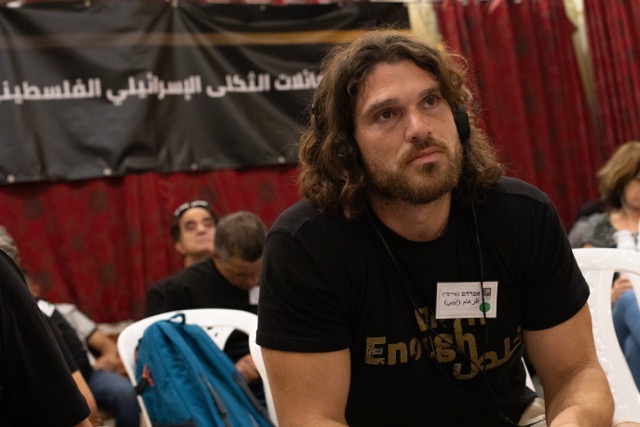
During the camp, we had several joint dialogue sessions and workshops, designed to listen to one another and to give everyone a chance to share their voice.
We started with a “timeline” activity, in which each person shared a significant event that had happened in their life. In most cases, it was an experience of bereavement and the loss of people close to them as a result of the conflict.
I shared the story of two of my uncles who died by suicide while serving in the military.
During the activity, we had an important conversation about the term “shaheed”, which came up frequently on the Palestinian side, and we wanted to understand what it meant. There were disagreements about it among the Palestinians as well. Some explained it one way and others differently, but, as I understood it, broadly speaking, it refers to someone who was killed by what they describe as the “occupation,” but who did not carry out an act of violence themselves.
For example, according to this understanding, a suicide bomber would not be considered a shaheed. There were disagreements and arguments about this because it is not a clear-cut issue, but that is what I understood from the discussion.
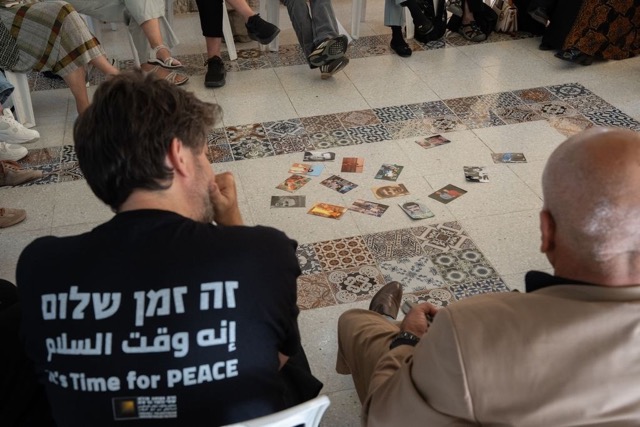
After that, we had an activity called “Sorry for Asking”, in which we wrote down all the interesting questions that came to mind and wanted the Palestinians to answer. They did the same for us.
One of the questions that came up most often was about the military. The Palestinians did not understand the importance of the army in Israeli society and why we see it as essential to our survival.
We explained, of course, that the State of Israel needs to have an army, and each of us personally shared whether we intended to enlist. Among us, some said yes and some said no. I think it is important that there be diversity within our group on every issue, so that they can also understand that there is no single view that represents everyone in Israeli society.
Personally, I said that I intend to enlist in the army, and also to serve in a combat role, because this is something my father and grandfather did, and I intend to continue that tradition. I was then asked why I would not refuse to serve after hearing about everything the army does in the West Bank.
I answered that I do not intend to serve in the West Bank, and that if I do serve somewhere and see something that I believe is unnecessary or unjustified, I will refuse to take part in it. I also said that I think the people who refuse to enlist because of the actions carried out by the army are very courageous, but that this is not the way I want to create change. I believe that influencing things from within is more important and can help bring about change in the army and help stop such actions.
After this activity, we had another exercise in which each side asked the other side questions, and each group answered while pretending to be the other side. The Palestinians took on the role of Israelis, and we took on the role of Palestinians.
It was very moving to see how each side had listened to and understood the other, and how accurately we were able to answer the questions in the way the other side had answered them.
During the conversations, the Palestinians shared their perspective and talked about the difficulties in their lives: days when the army enters their area and everything becomes chaotic, checkpoints, and how difficult it can be to leave home and move around, severely limiting their freedom. They also talked about administrative detention and how everything has become more severe and difficult since October 7, 2023.
There was also anger about the situation that Hamas has brought upon them, as well as condemnation of Hamas’s attack on October 7, because it was a horrific act of violence that only makes the situation worse and does nothing to advance the peace that we all want to see.
During the discussion about October 7, there were gaps between the way we perceive what happened and the way they perceive it, and we needed to try to bridge those gaps. We told them about what happened there, and we also saw how the media does not always show the full picture, creating these gaps in understanding. At the same time, they told us about things they believe the army keeps from the Israeli public.
In addition to the discussions, we also had fun activities together that were meant to bring us closer and strengthen our connections: river rafting, archery, fishing, and a rap workshop, which was very successful.
I want to focus on the photography workshop we had, which I really enjoyed and which was particularly meaningful to me.
We were divided into pairs, with one Palestinian and one Israeli in each pair.
I was paired with Zen, one of the Palestinians. We were asked to photograph a wish that we had. Each pair received a different photography instruction. Zen and I were asked to take a photograph through something.
Zen photographed the Greek flag waving at the camp through a bush. For him, it symbolized his wish for freedom and peace between everyone, and for us to be able to travel freely around the world.
I photographed the beautiful landscape through a tree, using a flash. For me, it symbolized the following wish:
“To see and choose the light and the good amid the darkness and evil in the world; to be optimistic :)”
We presented the photograph and our wishes to everyone, and then printed the photograph on paper using a sun-printing technique.
In addition, everyone chose a postcard from a selection of photographs and was asked to write a blessing on it and give it to the person they had been paired with. This is the blessing I received from Zen.
“In our free time, we played football and backgammon together and spent time in the pool. It didn’t feel at all as though each of us came from a different place, with a different perspective and from a different side of the conflict. We were simply together, in a very positive atmosphere, inside a kind of bubble disconnected from everything else.”
I’m happy that I took part in this camp and that I had the opportunity to be there. I would recommend an experience like this to anyone — to hear, to listen, and to encounter the other side directly, and also to live alongside one another, just as we hope to live together in peace.
A lot was said during the camp about how brave we were to come. I think that is true, but I also think it is a mistake to put too much emphasis on something that we want to see change. We need to normalize this — to make it feel like something natural and ordinary. Perhaps that will help bring peace a little sooner.
Thank you for everything to everyone who took part.
Shabbat shalom.
Ron Lehman, Israeli camper